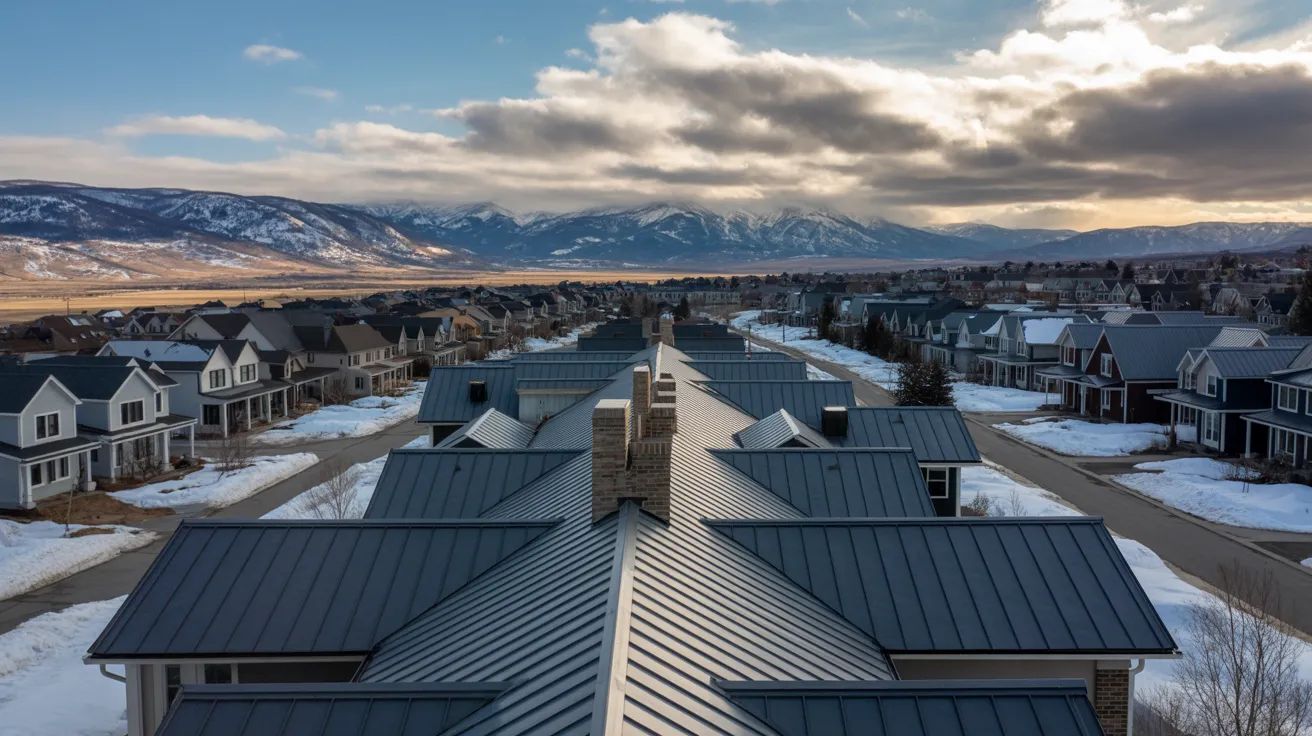
In Great Falls, your roofing must handle intense UV, powerful gusts, deep snow, and freeze-thaw stress. Metal roofs typically outperforms asphalt shingles by preventing impact, fire, uplift, and weather degradation, and clears snow with greater efficiency. Monitor for fractured shingles, flashing gaps, leaks, granule deterioration, and sagging sections following storms. An experienced skilled roofing contractor will examine roof decking, underlayment, and ventilation systems, assess damage from storms, then propose repair or replacement according to durability and performance.
Main Highlights
- Great Falls roofs must handle strong ultraviolet, wind stress, snow loads, and thermal cycles that trigger leaks and material breakdown.
- Metal roofing systems stay strong between 40 and 70 years, resist wind, fire damage, and impacts better versus asphalt shingles, and clear snow most effectively.
- Asphalt roofing require lower initial investment yet deteriorate quickly often, suffering from curling, cracking, and granule loss during Great Falls conditions.
- Warning signs feature shingle cracks, flashing gaps, deteriorating valleys, stains on ceiling, moisture in attic, and storm-related damage across different roof slopes.
- Great Falls roofing professionals offer inspections, leak diagnostics, storm repairs, and emergency tarping, plus skilled metal roof installation including proper underlayment and flashing.
The Way Great Falls Climate Affects Roofs
Your roof in Great Falls faces strong sunlight, powerful gusts, hail damage, snow loads, and rapid temperature swings creating year-round stress that shortens lifespan. UV exposure dries roofing components, weakens protective coatings, and increases wear. Wind pushes margins, pushes moisture into vulnerable joints, and displaces flashing materials near openings.
Heavy snow add pressure, while ice dams block precipitation near eaves and heighten leak risk. Temperature cycling expand small cracks, divide joints, and damage roof underlayment. Hail damage can bruise protective surfaces, crack protective coatings, and uncover substrates to water penetration. You also experience localized climate impacts: south-facing sections get hotter faster, shadowed sections stay wet more time, and wind-exposed sections weather faster harder. Frequent inspections allow you identify weather damage soon, preserve drainage routes and prolong service life throughout extreme seasonal swings.
Metal Roofing compared to Shingles in Great Falls
When you compare metal roofing to asphalt shingles in Great Falls, the decision usually comes down to weather resistance, durability, upkeep, and long-term cost. Metal roofs resist damage from impact, fire, and wind better than asphalt materials, and they typically last 40 to 70 years instead of 15 to 30.
You'll usually spend more initially for metal roofing, but you may replace it less often and conduct fewer maintenance tasks. Asphalt shingles cost less initially and provide simpler spot fixes, but they can become damaged, crack, or shed granules faster. Metal roofing also enables better snow shedding, which may minimize accumulation when correctly installed with protective devices. If you're considering solar integration, metal typically offers easier attachment alternatives and reduced holes and penetrations. Your best choice relies on budget, how long you plan to own the property, and how much maintenance you're able to manage.
Why Metal Roofing Is Effective in Montana
Developed for temperature swings, intense winds, significant snow, and extreme UV exposure, metal roof systems excels in Montana's challenging climate. You obtains a system that handles thermal movement, rapidly removes moisture, and sustains structural strength amid freeze-thaw situations. Interlocking metal components, invisible fasteners, and state-of-the-art coatings limit wind damage, rusting, and sun harm.
Additionally, you reap benefits from superior snow drainage, which lowers roof snow loads and defends the framing. Given that metal materials deflects solar radiation, it helps minimize warm air accumulation during dry, hot summers. Its limited water absorption ensures durability when ice and snow are present. Long-lasting metal roofing matters significantly in the state of Montana, in which ongoing weather impacts can shorten the life of less durable materials. By using appropriate underlayment, adequate ventilation, and professional installation, your roof system stays strong, energy-efficient, and durable throughout the decades with almost no maintenance needed.
Signs You Require Roof Maintenance
Recognizing roofing problems promptly prevents damage to the building, water intrusion, and substantial replacement expenses. Examine shingles that are cracked, flashing coming up, exposed nails or screws, rust-colored valleys, and caulking that's failed at vents, skylights, and chimneys. In the living areas, note brown stains, damp insulation, fungal issues, or daylight visible through decking
Post-storm inspection should check for striking damage, shifted roofing components, and granule loss in gutters. Seeing granule erosion helps detect worn asphalt surfaces before water breaches the underlay. Inadequate attic venting also triggers problem signs: high temperatures, icy accumulation, dampness, and premature curling. When utility bills spike without cause, moisture and warmth may be affecting roof integrity.
Arrange maintenance if you see sagging sections, recurring drips, or loose metal trim. Fast intervention protects decking, insulation, and interior finishes.
Reasons Why Roof Replacement Presents More Sense
You should evaluate roof replacement when storm damage impacts extensive areas, compromises structural components, or exceeds practical repair limits. If you're constantly spending for recurring leaks, patch failures, or repeated maintenance visits, replacement generally provides better long-term value. An older roof system near or past its design life cannot reliably protect your property effectively, even though individual repairs can appear feasible.
Major Storm Damage
When a severe storm impacts extensive areas of your roof, a full replacement typically provides superior financial and structural value instead of multiple repairs. After hail aftermath, wind damage, or punctures from fallen branches, you may experience damaged decking, saturated underlayment, and extensive shingle damage that fixes can't reliably isolate.
You need a comprehensive evaluation, not patchwork. Storm forces often damages seal integrity, loosens fastening systems, and creates hidden moisture routes around valleys, vents, and flashing. Even after cleanup, standing water may continue degrading sheathing and insulation below the surface. If damage impacts multiple slopes or exposes the roofing system, replacement restores consistent protection, regulatory compliance, and manufacturer-backed performance. It also allows you upgrade ventilation, underlayment, and impact-resistant materials so your next severe storm won't exploit the same weak points again.
Ongoing Repair Expenses
Frequently, repeated leak repairs, shingle repairs, and flashing fixes accumulate higher costs versus a planned roof replacement. If you're requesting maintenance each season, you're likely trapped in cost cycles that drain your budget without fixing underlying deck, ventilation, or underlayment issues. Small patch jobs can restore temporary function, though they seldom deliver system-wide performance.
You need to compare yearly repair costs against replacement pricing, labor escalation, and material compatibility issues. Multiple repairs also generate warranty gaps, particularly when several contractors handle separate sections or incompatible products. These gaps may leave you covering costs yourself if new problems emerge near previous repairs. A complete replacement gives you one integrated assembly, predictable installation standards, and a cleaner maintenance schedule. In many cases, that reset lowers long-term roofing costs and reduces service disruptions significantly.
Older Roof Assemblies
When roof systems age
Replacement makes more sense when inspections show water damage in decking, widespread granule loss, insulation deterioration, or inadequate ventilation that accelerates heat and condensation stress. You must also consider code compliance updates, fastening capability, and flashing compatibility with newer materials. Complete replacement lets you address concealed problems, improve drainage, and install a system rated for modern snow, hail, and wind requirements. Higher initial investment is required, but you can minimize emergency repairs, water damage to interiors, and long-term lifecycle costs overall.
Storm Damage Management by Great Falls Roofers
Severe storms may compromise roofing assemblies within moments, so Great Falls roof experts undertake damage evaluation with swift, methodical review of shingles, flashing, underlayment, decking, and metal panels to pinpoint obvious and hidden problems.
Following the storm assessment, you receive detailed documentation of damage, moisture intrusion, and structural risk. Roofers perform debris removal initially so branches, hail fragments, and loose materials don't keep abrading surfaces or blocking drainage paths. They cover vulnerable areas, seal punctures, replace lifted shingles, secure flashing components, and check fastener integrity on metal sections. Should moisture penetrate decking, they will assess for water saturation, layer separation, and mold risk areas prior to authorizing restoration. You receive photographic evidence and dimensional data that substantiate insurance documentation and help prioritize urgent stabilization versus appearance-related work.
Metal Roofing Installation Procedures
Beginning with removal and ending with finishing trim, metal roof installation processes maintain a required sequence protecting homes and optimizing roofing performance. Old roofing removal takes place first, deck inspection is conducted, and deteriorated decking gets replaced. Confirmation of pitch, measurements, air flow paths, and attachment areas occurs subsequently for correct panel positioning.
Subsequently, perimeter metal, water protection layers, and underlayment choice are determined by weather conditions, pitch specifications, and regulatory compliance. From a square starting reference, panels are attached following manufacturer requirements. In seam-locked configurations, vertical elements are secured firmly and positioned straight directing water runoff and accommodating expansion. In final steps, openings are flashed, peak and edge components are installed, critical junctures are sealed, and cleanup and inspection confirms weatherproofing and looks.
Services local Roofing Experts Provide
If you want either a minor fix or a complete roof replacement, Great Falls roof specialists typically provide assessments, leak identification, storm damage repairs, re-roofing, new roof installation, and preventive maintenance for commercial and residential buildings.
Extra options available through them encompass flashing installations, ventilation adjustments, gutter installation, skylight sealing, and ice dam prevention. When hail or wind damage structural decking, they'll perform emergency protection to limit water damage when permanent repairs are undertaken. For older roofs, they inspect underlayment condition, attachment points, roof openings, and water drainage, then recommend targeted repairs or full replacement when appropriate. Several crews service asphalt roofing, metal roofing, low-slope membranes, and protective coatings. They may photograph losses for insurance documentation and schedule seasonal inspections to identify sealant issues, rust, panel separation, and clogged valleys prior to these problems reduce your roof's service life.
How to Find the Right Great Falls Roofing Professional
In selecting a Great Falls roofing contractor, you should verify that they maintain proper certification and hold active insurance for liability and workers' compensation. Following this, assess the roof materials they propose allowing you to can compare material performance, service life, and price with your roofing project. It's also important to review the local experience, as roofing contractors familiar with Great Falls weather patterns and building codes generally achieve better results.
Verify Licensing And Insurance
Before you complete any roof contract in Great Falls, ensure that the roofing professional has the mandated Montana license and holds general liability insurance and workers' compensation coverage. Don't rely on verbal assurances. Request the roofer's license identification, business name, and insurer details, then conduct licensing verification through state records and local registration databases. Confirm the firm name on every document.
For policy verification, inquire that certificates be provided straight from the insurance copyright or broker. Verify policy details, dates of coverage, coverage amounts, and policy exclusions. Confirm that workers' compensation insurance includes every crew member working
Evaluate roof options
With Great Falls roofs subjected to hail, strong winds, heavy snow, and dramatic temperature changes, you must compare materials across durability, lifespan, upkeep requirements, and overall installation expenses—rather than focusing on the initial estimate alone.
Asphalt shingles usually offer the most affordable installation price, but impact ratings, wind warranties, and granule loss matter. Metal costs more upfront, yet it sloughs off snow, offers fire resistance, and can deliver better energy efficiency through reflective coatings. Synthetic slate and composite shingles reduce weight while improving impact resistance, though product quality varies. Ask for product specifications on Class 4 impact ratings, wind uplift, ice dam prevention, and anticipated longevity. You should also compare underlayment, ventilation requirements, fastener requirements, and repairability. A cheaper roof can become costlier down the road if it fails early or requires ongoing storm damage repairs and replacement work.
Evaluate local experience
Material selection matters, yet the contractor's local track record often shapes performance that roof functions in Great Falls. You must check the length a contractor worked in the region and https://jtroofingandremodeling.com/ whether experience exists with hail, snow load, chinook winds, and freeze-thaw cycles on similar homes. Area background shows if crews grasp ventilation systems, ice dam prevention, flashing specifications, and Cascade County building codes.
Seek locations of completed projects, then evaluate workmanship from the street level. Examine client reviews for tendencies: scheduling, cleanup, warranty response, and change-order accuracy. You also need to check supplier relationships and local permit knowledge, since veteran local roofers procure materials faster and resolve inspections with fewer delays. A roofer who has demonstrated Great Falls background reduces installation danger and improves long-term roof performance for your property.
Popular Client Questions
Can local contractors provide payment possibilities for New roofing systems?
Yes, many Great Falls contractors make available financing arrangements for new roofs. You typically may decide on payment options from your contractor or from a third party. Count on terms based on job cost, finance period, and personal credit standing. Most providers require background checks before funding, and various present competitive rates for approved borrowers. You should rates, charges, initial outlay, and prepayment provisions before signing any roof financing agreement.
Are roofing estimates in Great Falls typically free?
Yes, roofing estimates in Great Falls are commonly complimentary, especially when contractors offer complimentary inspections for repairs or replacements. You should expect a detailed estimate that outlines materials, labor, timeline, and cost breakdowns. Some companies may require payment for detailed reports, specialty diagnostics, or insurance documentation. Before you schedule, determine what the estimate covers, whether inspections are complimentary, and if extra fees apply to complex roof conditions or access.
How long do roofing warranties usually last in Great Falls?
Like a protective shield for your roof, warranties in Great Falls usually span 20–50 years for Manufacturer warranties, depending on material and product tier. You'll often get Labor warranties for 2–10 years, though some contractors give longer coverage. You should ensure what's prorated, transferable, and excluded, especially for wind, ventilation, and installation errors. Check the fine print so you know exactly what protection you're actually buying before signing.
Can roof work be scheduled during winter in Great Falls?
Yes, you can book roof work during winter in Great Falls, but you'll want weather-dependent planning. You can finish Winter repairs safely when workers track temperature, wind, ice, and equipment handling limits. You should prepare for delays during storms or extreme cold. Snow clearing often comes first so crews can reach decking, identify leaks, and affix flashing. You'll experience better results when you arrange early and remain flexible with scheduling windows.
Can Great Falls roofing companies help with insurance paperwork?
Yes, many roofing firms in Great Falls support you with insurance paperwork after damage from storms or impacts. You'll often receive insurance assistance through documented inspections, photo evidence, scope summaries, and estimate comparisons. They may also help claim coordination by conferring with adjusters, detailing repair quantities, and matching line items to policy coverage. You should still inspect your claim carefully, because your insurance provider determines payment terms, depreciation, deductibles, and final settlement amounts.
Summary
In Great Falls, your roof has to handle wind, snow, hail, and rapid temperature changes without failing. That's why selecting the roofing professional matters. Metal roofing stands out because it can persist 40–70 years—often twice or thrice longer than standard asphalt shingles. When you act early on repairs or replacements, you safeguard your home, decrease long-term expenses, and enhance performance. Work with Great Falls roofing experts who comprehend local conditions and fit systems designed to last.